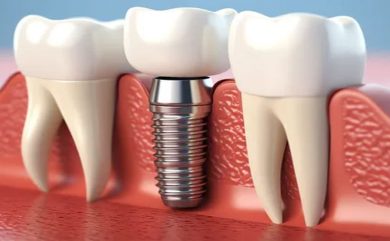
How Important is Implant Cleaning? How Is It Done? Just like with natural teeth, cleaning implants is crucial. Bacteria grow in an uncleaned mouth, and no one wants bacteria in their mouth. Therefore, after treatment, the area around the implants should be cleaned using proper hygiene methods and regular tooth brushing.
Implant Videos
Is Every Implant Brand Trustworthy?
Is Every Implant Brand Reliable? How Should They Be Chosen? Let's address the question of whether every implant brand is reliable as follows. Ten years ago, there were five major implant brands, but now there are approximately twenty. These implant brands sell implants internationally worldwide. In addition, implants manufactured in the Far East, such as Korea and China, have begun to spread globally. […]
How to Overcome the Fear of Implant Treatment?
How to Overcome the Fear of Implant Treatment? How to overcome the fear of implant treatment? Many patients experience this fear before implant surgery. To overcome this fear, it's crucial for patients to trust their dentist. Furthermore, it's crucial for them to know that implants are not a painful procedure. Implants are placed within the bone using minor oral surgery techniques and can be performed painlessly, similar to tooth extraction, with numbing. Knowing this […]
Are There Any Serious Complications Related to Implants?
Are there serious complications associated with implants? When we talk about serious complications associated with implants, the first question that comes to mind is whether death can occur from the implant itself. There are several publications in the literature on this subject. In the United States, a patient reportedly died from severe bleeding in the lower jaw after receiving an implant. Are there serious complications associated with implants? There are a few such cases. Of course, this requires the experience of doctors or a very advanced […]
Is There a Risk of Implants Breaking?
Is there a risk of implants breaking? The risk of implants breaking is very low because they can withstand forces that are perhaps five to ten times greater than those of chewing. Implants can withstand much greater forces. Are There a Risk of Implants Breaking? Rather than implants breaking, there are small screws that hold the implant head to the inside of the implant. These screws can loosen over time during chewing and biting, and sometimes even break. This type of breakage is more common. […]
What Happens If the Implant Does Not Fuse with the Bone?
If an implant doesn't fuse with the bone, there are definitely reasons for this. These reasons must be addressed. What Happens If an Implant Doesn't Fuse with the Bone? It could be teeth grinding, an infection in the area, or another reason. Once this reason is identified and addressed, the implant is removed and a new one is placed. Alternatively, bone or bone meal is placed in the area and waited for a period of several months. […]
Do Too Many Implants Cause Weight in the Mouth?
Although implants are placed too far into the jaw, a North American view is that replacing each tooth with an implant, especially in the upper jaw, significantly increases success. Do Too Many Implants Add Weight to the Mouth? The success rate of implants is almost 100%. In such cases, there is no increased weight or a feeling of heaviness in the jaw.
What is the First Stage of Implant Treatment?
The first step in implant treatment is the patient's examination and the determination of whether the area is suitable for implant placement. What is the First Step in Implant Treatment? This involves radiographs and tomographic examinations. A CT scan may not be necessary for every patient. This is a common misconception, but CT scans are not absolutely necessary for every patient. If the patient's oral structure is suitable for implant placement, a panoramic radiograph alone […]
Implants and Oral Hygiene
The relationship between implants and oral hygiene. There's a connection between oral hygiene and implant treatment. Because implants aren't teeth, teeth are destined to be lost over time due to poor oral hygiene. The Link Between Implants and Oral Hygiene: Poor oral hygiene can cause the gums around implants to become inflamed. This poor hygiene can also damage the bone tissue surrounding the implants.
Do Some Diseases Prevent Implant Treatment?
Certain conditions may prevent implant placement. Uncontrolled high blood sugar is the most common. Before implantation, we recommend that our patients' blood sugar levels be lowered below this level, especially if their fasting blood sugar is above 160-170. Do Certain Conditions Contraindicate Implant Treatment? Hemoglobin A1c, which measures blood sugar levels over a longer period of time, is used to determine whether this value is below 7.5.