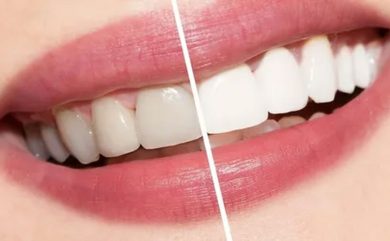
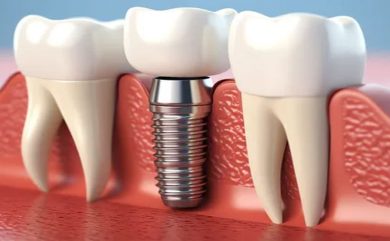
A dental implant is a treatment used to replace a missing or damaged tooth. Compared to traditional treatment methods, dental implants offer longer-lasting results and a look as close to natural teeth as possible, making them a frequently preferred treatment by patients.
How is a Dental Implant Done? Determining Factors
How a dental implant operation is performed depends on the type of implant to be used and the condition of the jawbone in the area where the missing tooth is located. However, all dental implant operations are carried out within certain stages and applications.
Implant application does not take a long time or require a complicated treatment process under normal conditions. However, the condition of the jawbone, the position of the gums and other teeth may require different procedures. However, on average, a normal implant treatment can be completed in 3 to 5 months at most.
How is a Dental Implant Done? Stages
How is a Dental Implant done? The stages of the question can be generally listed as follows:
Peak
At the beginning of the treatment, the patient's health condition is examined to determine whether it is suitable for implant application. A panoramic X-ray is taken to determine the type and length of dental implant to be used according to the condition of the teeth in the mouth. It is also checked whether the jawbone is suitable for implant treatment.
Operation
Dental implants are performed by a specialist doctor under local anesthesia with a simple surgical operation. After the implant is placed in the bone, the implant is placed in the opened slot. The duration of the operation may vary between 30-90 minutes depending on the procedures to be performed.
Improvement
It takes a certain amount of time for the implant placed in the jawbone to integrate with the bone. Implant teeth placed in the jawbone complete the process of integrating with the jawbone in about three months. If deemed necessary during this time period, a temporary prosthesis can be applied to the patient. The patient can continue their normal diet without putting too much strain on the implant. During the healing process, the doctor who applied the implant calls the patient for check-ups at certain intervals and may request additional x-rays if deemed necessary.
Prosthesis
After the healing period is complete and the implant has sufficiently integrated with the jawbone, the prosthesis is placed on the implant. After the necessary measurements are taken for the most suitable prosthesis for the treatment, the prosthesis is placed on the implant. The prosthesis can sometimes be a single crown, sometimes a bridge or a full prosthesis. Healthy days.