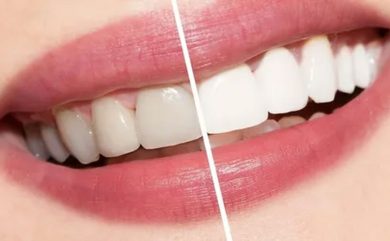
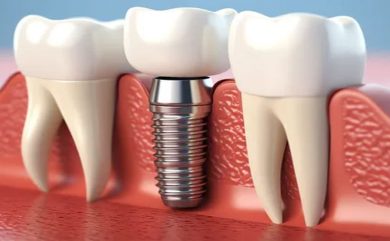
It is an artificial tooth root that is placed in place of missing teeth. Screw thread It's made of titanium and secured to the jawbone by screwing. Dentures are placed on this screw. They resemble natural teeth in terms of aesthetics and function. They are long-lasting and suitable for people experiencing tooth loss. They are surgically implanted. The healing process can take several months. They are durable and reliable.
How to Make a Screw Thread?

After the screw is placed, it is allowed to fuse with the jawbone. This period usually ranges from 2 to 4 months. During this period, the implant fully bonds with the bone. This fusion is critical to the implant's stability. The gum tissue surrounding the implant is shaped to achieve a natural appearance. A healing abutment can be placed at this stage. The gum tissue conforms to this abutment. After healing is complete, the abutment is placed over the implant. This connects the implant to the prosthetic tooth. This is usually performed under local anesthesia. Finally, a porcelain or zirconium-coated prosthesis, custom-made to fit the individual's oral structure and other teeth, is placed over the abutment. This tooth will look natural and will also function as a chewing aid. After the procedure, check-ups are performed at intervals recommended by the dentist. Regular oral hygiene is also crucial for the implant's longevity.
In what cases is screw threading done?
When a tooth needs to be extracted for any reason, or when a tooth is lost due to trauma, it is used to fill the gap. This is an important solution for both aesthetics and restoring chewing function. Some patients do not want a traditional bridge or removable denture. In such cases, a stand-alone solution that does not damage other teeth is available. screw thread It is preferred. Adequate bone volume and density are required for implant placement. If the jawbone is strong enough to support the implant, the procedure can be performed easily. Bone graft support can also be used if necessary. It is a good choice if you want a tooth that is not temporary but can be used for many years without any problems.
With proper care, it can last for over 20 years. Aesthetic appearance is especially important in cases of front tooth loss. Screw thread Because they closely resemble natural teeth, they are frequently preferred by patients with aesthetic concerns. Some patients who use removable dentures on the upper or lower palate experience discomfort when eating or speaking. This procedure completely eliminates this problem because the teeth are fixed. In some individuals, teeth wear down excessively due to habits such as teeth grinding (bruxism). In these cases, they can be used to replace lost teeth. If a tooth is lost due to sports accidents, falls, or impact, it can be applied to the remaining space.
Things to Consider After Screw Threading

This will prevent damage to the stitches and avoid the risk of pain. Prescribed medications, such as antibiotics, painkillers, or antiseptic mouthwashes, should be used promptly and completely. This reduces the risk of infection and ensures a comfortable healing process. If there are stitches in the implant area, these may dissolve on their own or may need to be removed by a doctor. Touching the area with the tongue or fingers can cause infection. Heavy lifting, sports, or activities requiring excessive exertion should be avoided for the first few days. Increased blood pressure can lead to bleeding or swelling. After the first day, the surrounding teeth should be gently brushed with a soft toothbrush.
Screw thread Care should be taken to avoid damaging the area, and special brushes recommended by your dentist can be used. Applying a cold compress to the outer cheek area for the first 24 hours can reduce swelling and pain. Avoid applying ice directly to the skin; wrap it in a cloth or towel. It's essential to attend checkups scheduled by your dentist. These checkups help assess the implant's condition and allow for early intervention for potential problems. Habits such as nighttime teeth grinding (bruxism) can shorten the lifespan of the implant. In these cases, your dentist may recommend a night guard.