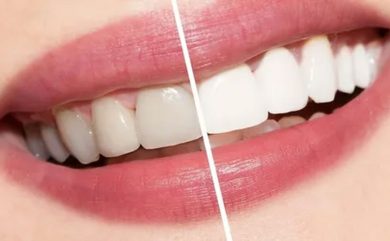
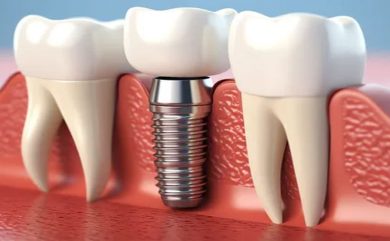
A tooth root replacement is applied to replace a lost tooth and replace the missing tooth's function. implant It is called. Implants, which are usually made of titanium material, are in the form of a screw or cylinder, the length of the tooth root and 3.5-4 mm in diameter. It provides the closest aesthetic appearance to the appearance of natural teeth. implant externalThey effectively replace the functions of our missing natural teeth. Anyone who has lost one or more teeth due to tooth decay, gum disease, accidents, or similar causes is a potential candidate for dental implants. Before starting implant treatment, the patient should be carefully examined for any health issues, and if so, the specific type should be determined.
What is a Dental Implant?
While conditions such as diabetes, heart disease, and high blood pressure may have prevented implants in the past, today, as long as the necessary checks are performed and the patient is monitored, they can be performed without any problems. The implant, placed in the jawbone through a simple surgical procedure, completes the process of fusing with the jawbone within approximately three months. Following this process, dental implants, just like the roots of our natural teeth, it becomes suitable for carrying the prosthesis to be placed on it. Dental implants are performed by a specialist doctor under local anesthesia with a simple surgical operation. It can be considered the easiest and most natural way to leave behind problems such as chewing, speaking, and laughing difficulties caused by missing teeth. Moreover, while a new tooth is made in place of the missing tooth, other healthy teeth are not harmed.
The closest treatment to natural teeth is dental implant treatment.
Considered the healthiest and most natural way to replace a lost tooth, implant treatment offers many advantages over traditional treatment methods. Our natural, healthy teeth are not harmed during the implant process. implant This is one of the most important advantages of implant treatment. One of the greatest benefits of implants is their longevity. Once you have your implant placed and maintain it meticulously, you can enjoy healthy use for a lifetime.
Moreover, implants are much more convenient than dentures. Because food particles can sometimes accumulate under removable dentures, they are much more difficult to clean and maintain. Implants, however, can be easily cleaned by brushing them properly, just like our natural teeth. In short, dental implants, which last much longer than all dentures, are one of the healthiest and most reliable ways to address all the physiological and psychological problems that can arise from tooth loss.