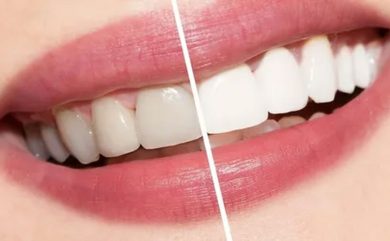
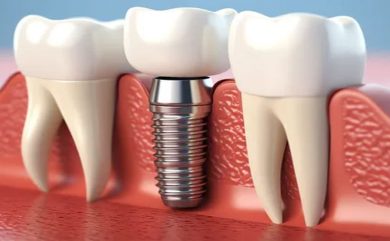
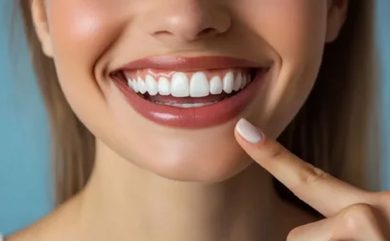
It's a method used to correct aesthetic imperfections in teeth. A special composite resin is applied to the tooth. Bonding treatment During the procedure, the shade is chosen to match the natural tooth color. It is used to correct the shape of the tooth and close gaps. The procedure is painless and is usually completed in a single session. It is fast and economical. It improves the aesthetics of the smile. It is not permanent and can be restored over time.
Who is Suitable for Bonding Treatment?

For teeth that are discolored or unresponsive to whitening treatments, a more aesthetically pleasing appearance can be achieved by applying a composite material in a matching shade. It offers an aesthetic alternative for those with slightly crooked or misshapen teeth who prefer not to wear braces. With minor adjustments, teeth can appear aligned. It's suitable for those seeking a more practical and affordable solution to dental aesthetics. It's completed in less time and costs less than other cosmetic dental treatments. Bonding treatment It is generally painless and does not usually require anesthesia, making it a comfortable treatment option for those with a fear of needles or numbness.
In what cases is bonding treatment performed?
Naturally occurring gaps between teeth can create an aesthetic problem. Bonding closes these gaps using tooth-colored composite filling material. This improves both the appearance and the smile. Tooth fractures or cracks resulting from accidents, trauma, or biting a hard object can be repaired quickly and painlessly. Composite material is applied to the natural structure of the tooth to ensure integrity. Some teeth may be aesthetically undesirable due to congenital or acquired discoloration. For discolorations that do not resolve with whitening, bonding treatment The surface of the tooth is coated, providing a natural whiteness. Over time, wear and tear on teeth can lead to both aesthetic and functional losses.
This procedure fills these worn areas, restoring the teeth to their former shape. In some cases, teeth may appear short or out of proportion to the gum line. Bonding lengthens the teeth, creating a more symmetrical smile. Irregularities or slight crookedness at the tips of the teeth can be corrected with bonding. This procedure is preferred for mild crowding that doesn't require orthodontic treatment. Small cavities, especially in the front teeth, can cause aesthetic concerns. In such cases, a filling is applied with tooth-colored bonding material, preserving the tooth's natural appearance. Root surfaces exposed by receding gums can cause sensitivity. By covering these areas with bonding, sensitivity is reduced and aesthetically improved.
Things to Consider After Bonding Treatment
Crushing hard foods like hazelnuts, walnuts, and seeds with your teeth can cause the appliance to crack or break. You should avoid crushing these foods directly with your teeth. If you grind your teeth at night or clench them during the day, the bonding appliance can wear down or break over time. If you have this habit, it's recommended that you use a night guard.
Beverages such as tea, coffee, red wine, and smoking can cause the material to discolor over time. Reducing consumption of these substances preserves the aesthetic effect of the treatment. Regular brushing and flossing protect bonded teeth from decay. Brush at least twice a day and floss once a day. The condition of the bonding application should be monitored over time and touched up if necessary. Therefore, it is important to visit your dentist every six months.
Habits that place hard objects in contact with teeth, such as biting nails or pens, can cause the bonding material to break. Use your teeth only for chewing, not for opening or tearing. Habits such as turning keys can damage the bonding structure. In some patients, bonding treatment Temporary hot and cold sensitivity may occur after the procedure. This usually subsides quickly, but if it persists, consult your dentist.