
 Yazar Prof. Dr. Omer Kutay
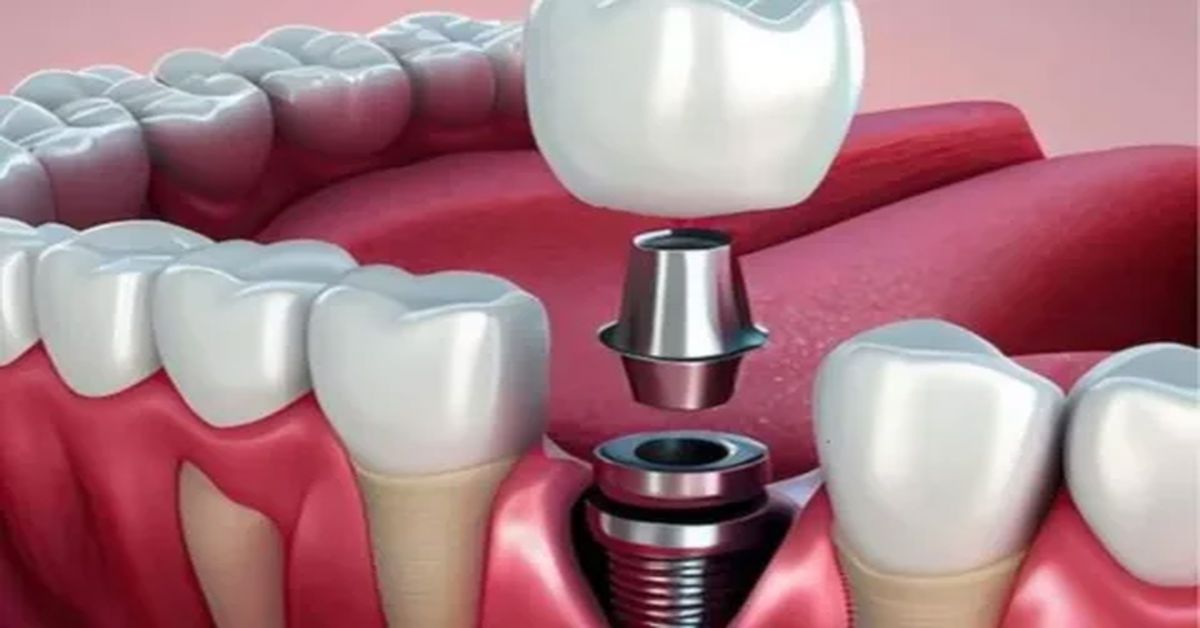
Missing teeth can affect both aesthetic appearance and chewing comfort. Today, various methods are used to replace missing teeth. In particular... What is implant treatment? The question of how to use dental implants is a frequently researched topic. Implant applications aim to provide a user experience similar to natural teeth by placing artificial tooth roots in the jawbone.
What is Implant Treatment? Who is it suitable for?
Missing teeth can affect both aesthetic appearance and oral function over time. Difficulties during chewing can reduce daily life comfort. Today, different procedures are preferred for replacing missing teeth. These procedures can be planned according to the individual's oral and jaw structure.
A popular choice today. implant treatmentDental implants are one of the methods used to replace missing teeth. In this procedure, artificial tooth roots can be placed in the jawbone. Then, the appearance of the teeth can be enhanced with appropriate prosthetic applications. The treatment process may vary depending on the individual's oral structure.
Dental implant procedures can be planned differently for each individual. Evaluations may be particularly helpful for those with suitable jawbone structure. Individuals with missing teeth and good general oral health may be candidates for this procedure. However, regular smoking or certain health conditions can affect treatment planning.
Therefore, a thorough examination process is important. Implant treatmentDental implants can help reduce the aesthetic loss caused by missing teeth. They can also contribute to supporting chewing function. The treatment process can be planned according to the individual's needs. Regular oral care and check-ups with the dentist are important in the post-procedure period. Maintaining a healthy oral structure can provide support for long-term use.
In what situations is implant treatment applied?
Implant treatment, It helps to replace missing teeth. It aims to support aesthetic appearance and chewing comfort. Treatment may be planned for individuals experiencing tooth loss for various reasons. The treatment process can be evaluated in individuals with suitable jawbone structure. The treatment plan can be determined according to the individual's oral and dental structure.
Dental implants can be preferred for single tooth loss. The aim is to support the missing area without affecting neighboring teeth. They can also be planned for multiple missing teeth. In some cases of complete tooth loss, implants can be used to support fixed prostheses. The treatment process varies depending on the individual's needs.
Tooth loss doesn't just affect appearance. Chewing comfort and speech patterns can also be impacted. In some cases, long-term tooth loss can cause changes in the jawbone. Therefore, early assessment is important. Regular oral care and check-ups with a dentist can support the treatment process.
Dental implant procedures can be planned differently for each individual. A detailed examination can be performed before treatment. Jawbone structure, gum health, and overall health status can be evaluated together. Personalized planning can contribute to a more controlled process.
What are the methods of implant treatment?
Missing teeth can affect both aesthetic appearance and chewing comfort over time. This can alter the quality of daily life. Today, various procedures are used to replace missing teeth. The treatment plan can be determined according to the individual's oral and jaw structure. Regular dental check-ups can contribute to a more controlled progress of the process.
Different methods can be used in implant procedures. For a single missing tooth, implants can be placed only in the missing area. For multiple tooth loss, different plans may be preferred. In some individuals, multiple implants may be used to support a fixed prosthesis.
Jaw structure and overall oral health play a significant role in treatment planning. Therefore, a detailed examination process is crucial. Current practices... implant treatment Treatment methods can vary depending on the individual's needs. Some procedures may prefer single-stage approaches. In other cases, the treatment process may be planned in multiple stages. The process may proceed differently in individuals with sufficient jawbone support. Some individuals may require additional support procedures.
Dental implant procedures are not performed in the same way for everyone. The individual's dental structure, jawbone condition, and overall health are evaluated together. The treatment process can be planned according to their needs. Regular check-ups with a doctor and oral care can support the post-procedure process. Maintaining a healthy oral structure can be important for long-term use.
What is the recovery process like after implant treatment?
The healing process after implant placement can vary depending on the individual's oral structure and the treatment plan. Mild sensitivity may occur in the first few days. Following your doctor's recommendations is crucial during this time. Regular oral hygiene is an important step in supporting the healing process. Avoiding hard foods for a while may be recommended.
Maintaining oral hygiene is important during the recovery period. Regular cleaning habits can help protect oral health. Especially... What is implant treatment? For those researching this question, post-operative care is an important consideration. The recovery process may be shorter for some individuals, while others may require longer follow-up.
Regular check-ups with a doctor may be recommended in the post-treatment period. During these check-ups, the application area can be evaluated. The patient's oral hygiene habits can also be reviewed. Maintaining a healthy oral structure is important for long-term use. Regular oral hygiene habits can contribute to supporting post-treatment comfort.
Regular care and controlled follow-up are crucial in the post-procedure period. Paying attention to oral hygiene, in particular, can support long-term use. Following your doctor's recommendations can contribute to a smoother recovery process. This treatment is among the procedures that can help replace missing teeth. The treatment process is planned according to the individual's oral and dental structure.